Claim Your Free Estimate on Our Services Today!
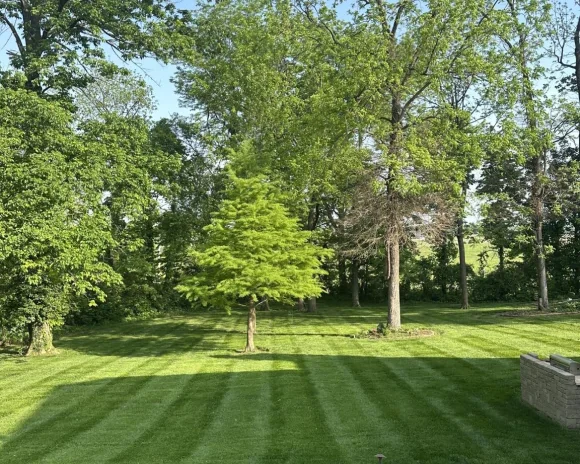
A well-maintained lawn can dramatically improve the look of your home, but achieving a lush, green yard requires more than just watering and fertilizing. One of the most important aspects of lawn care is knowing how often should you mow your lawn. Mowing frequency affects the health, thickness, and appearance of your grass. This guide will break down the factors influencing mowing schedules, timing tips, seasonal adjustments, and best practices for maintaining a beautiful lawn year-round.
1. Understanding the Importance of Mowing Frequency
The frequency of mowing your lawn plays a crucial role in grass health. Proper mowing:
- Encourages thicker growth by stimulating lateral shoots
- Prevents thatch buildup by trimming blades regularly
- Reduces the risk of weeds taking over by limiting seed production
- Maintains an even, aesthetically pleasing appearance
By understanding how often to mow, you can ensure your lawn thrives rather than struggles under inconsistent care.
2. General Guidelines for Mowing Frequency
So, how often should you mow your lawn? While it depends on grass type and climate, general recommendations include:
- Spring and Early Summer: Once a week or more if grass grows quickly
- Late Summer: Every 10 to 14 days as growth slows
- Fall: Weekly to biweekly until growth stops
Remember, these are average guidelines. Your lawn may need adjustments depending on soil, sunlight, rainfall, and grass type.
3. Grass Growth Rate and Weather Conditions
Grass grows faster in warm, sunny conditions and slows during droughts or cooler weather. When considering when to mow lawn, pay attention to:
- Rapid Growth Periods: Grass may require mowing twice a week during spring flushes
- Slower Growth Periods: Mowing may reduce to once every two weeks in cooler or dry conditions
- Rainy Seasons: Wet grass grows fast but can be slippery; avoid mowing wet lawns to prevent damage
Adjusting mowing frequency based on growth rate prevents cutting too much or too little at any given time.
4. Grass Height and the “One-Third Rule”
Maintaining the correct grass height is essential for a healthy lawn. A common guideline is the one-third rule:
- Never cut more than one-third of the grass blade at a time
- Cutting too short weakens the roots and stresses the lawn
- Keeping grass longer helps retain moisture and shade soil, reducing weed growth
This approach ensures you aren’t just mowing on a schedule but doing so in a way that supports strong, resilient grass.
5. Timing Your Mows During the Day
Many homeowners ask, how early can I mow my lawn? The best times to mow are:
- Mid-Morning: Grass is dry, and the sun is warm enough to avoid stress
- Late Afternoon: Cooler temperatures prevent heat stress on the lawn
- Avoid midday mowing in summer to prevent burning and scalping
Timing your mowing around weather and sunlight helps preserve grass health and appearance.
6. How Long Does It Take to Mow a Lawn?
Another common concern is how long does it take to mow a lawn. Factors that influence mowing time include:
- Lawn size and shape
- Type of mower (push mower vs. riding mower)
- Grass length and density
- Obstacles such as trees, flower beds, and slopes
A small suburban yard may take 20–30 minutes, while larger properties could require an hour or more. Planning for this ensures you can mow consistently without feeling rushed.
7. Seasonal Adjustments: When to Stop Mowing Lawn
Mowing frequency changes as the seasons shift. Knowing when to stop mowing the lawn is just as important as knowing when to start.
- Fall: Gradually reduce mowing as grass growth slows
- Late Fall/Winter: Stop mowing once grass goes dormant
- Spring: Resume mowing once grass begins actively growing again
Following seasonal cues protects the lawn during dormancy and ensures a healthy start in spring.
8. Special Considerations for Different Grass Types
Different grass types have unique growth patterns affecting mowing frequency:
- Cool-Season Grasses: Like fescue and bluegrass, grow fastest in spring and fall
- Warm-Season Grasses: Like Bermuda and Zoysia, grow rapidly in summer and slow in cooler months
Knowing your grass type helps tailor your mowing schedule and prevents overcutting or undercutting.
9. Tools and Equipment for Efficient Mowing
Having the right tools makes maintaining a healthy lawn easier. Consider:
- Sharp Blades: Ensure clean cuts that prevent disease
- Adjustable Mowers: Set the height according to the one-third rule
- Mulching Mowers: Recycle clippings as natural fertilizer
- Riding vs. Push Mower: Match mower type to lawn size for efficiency
Well-maintained equipment ensures consistent results and reduces the risk of lawn damage.
10. Professional Lawn Care Assistance
For homeowners who struggle to maintain a consistent mowing schedule, hiring professionals can be beneficial. Lawn care services:
- Provide regular mowing schedules based on grass type and weather
- Ensure proper cutting height and edging for a polished look
- Offer additional services like aeration, fertilization, and weed control
Even occasional professional help can keep your lawn healthy and save time while maintaining consistent growth.
Conclusion
Knowing how often you should mow your lawn is critical for maintaining a vibrant, healthy yard. Factors such as grass type, weather, growth rate, and seasonal changes all play a role in deciding the ideal mowing schedule. By following guidelines on when to mow lawn, respecting the one-third rule, timing your mowing sessions appropriately, and understanding when to stop mowing lawn, homeowners can enjoy lush, even lawns year-round. Whether you mow yourself or hire professionals, consistent care ensures your lawn not only looks great but thrives for years to come.